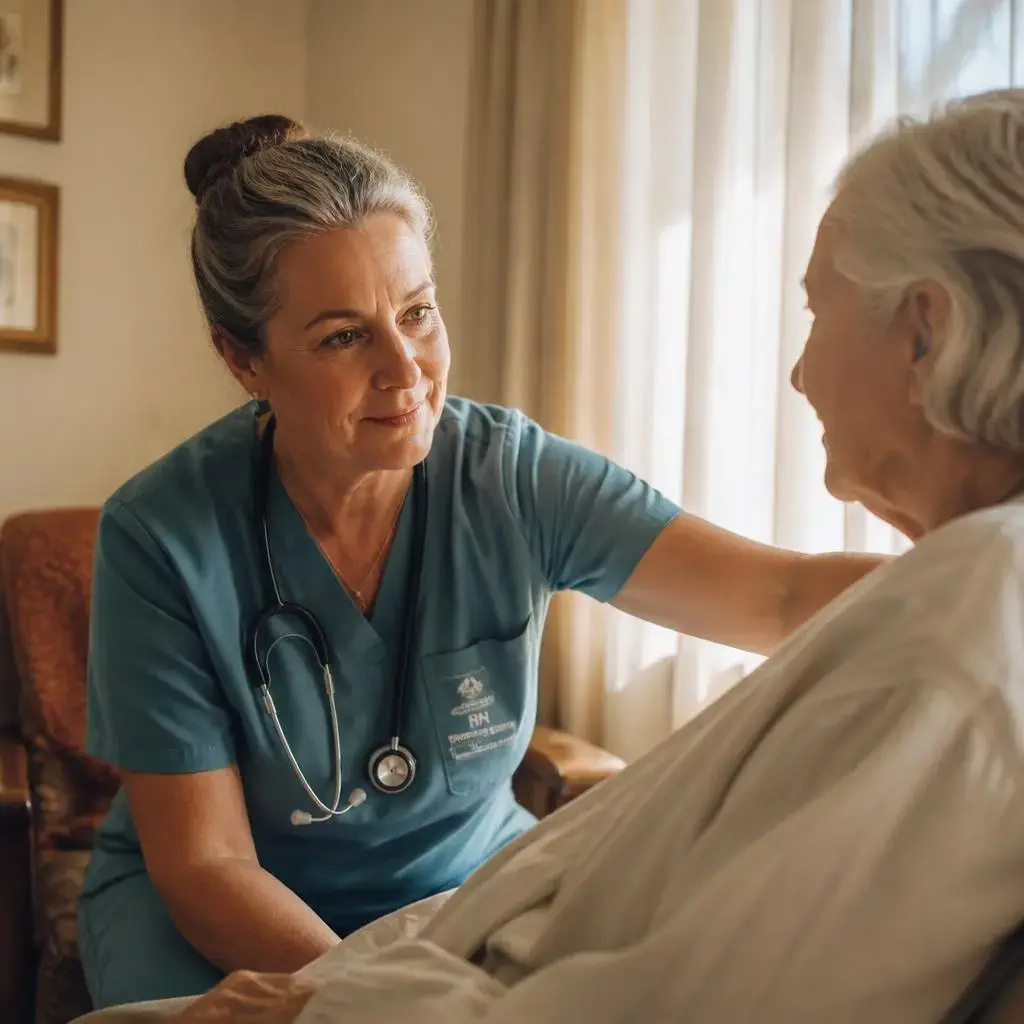
Key Takeaways
- At home after surgery, people need to recover their strength, mobility and independence in a comfortable home environment.
- Services provided in the home that are provided outside the hospital can involve nursing, personal care, everyday or domestic support, allied health or any combination of these.
- Many relatives think about arranging out-of-home support for relatives via Support Network.
- This follow-up support is arranged in conjunction with Support Network immediately after a patient's discharge, without referral or waiting list.
- Credit cards, direct debit, or NDIS and Support at Home government funding are available to pay for care and support after a patient has been discharged from hospital, if they meet the requirements and the type of care and support is included in their plan.
After surgery, it can seem like too much of a challenge to figure out how to support a loved one. This transition from hospital to home can be rapid, and the first few days at home are often when your parent, partner or loved one is most in need of support.
You may wish to know how much they can do independently and how much support is required, whether their recovery pathway includes clinical care and how that might fit into your situation, and how the recovery pathway relates to your work and family or caring responsibilities.
This guide aims to explain the nature of home support services and what this might include following surgery, who it might be suitable for, and how Support Network can facilitate quick and easy, self-funded home support services. Self-funded in-home support is not the same as government funded support like the NSW Hospital in the Home program, and Out of Hospital Care. These programs are typically short term, include eligibility criteria, and are often delivered via a hospital or health service.
What Is Post-Operative Care at Home?
Home post-operative or post-surgery care is practical, personal or clinical care that a person may receive at home when recovering from an operation or surgery. It covers the time from leaving hospital to returning to their normal independence.
This kind of assistance can involve short-term support, for example it may mean assistance for a few days or weeks following a medical procedure. It can also operate for longer periods of time if recovery is delayed or altered, or mobility has changed. For older individuals, this is common when their current health issues complicate the recovery process.
Having well-structured support at home will make the recovery process safer and more comfortable. It can be arranged directly by the affected person or their family through the platform (Support Network), without having to make a referral to the hospital or face any eligibility requirements. You decide what kind of assistance you require, find assistance from independent support providers within your community and arrange sessions scheduled around the recovering family member's recovery.
Who Is Post-Surgery Support For?
A lot of various individuals can benefit from post surgery support. For the patient with complex clinical problems, as might follow larger heart surgery, or for those who need practical assistance while the body is recovering and strength is returning, it applies to them too.
Post-surgery support is suitable for:
- Individuals who have undergone surgery and are recovering, which could include support with: out of hospital care (such as wounds), activities of daily living, mobility, medicines, or care advice following surgery at home.
- Older family and friends recovering from surgery, where post hospital recovery can be particularly significant when recovery is longer, they may be weaker or have previous health issues that make daily life harder.
- Family caregivers arranging support: after a loved one's surgery, many family members take over the role of primary caregiver; many also make appointments, arrange meals and do household tasks on top of the family's other everyday tasks. Additional support around the practical load can help reduce the chances of becoming burned out as a carer and make the recovery process easier for you and your support team.
What Support Is Available After Surgery at Home?
Hospital care at home can be provided by one service or a combination of services. The choice of the right mix depends on each individual's post-surgery requirements, instructions, mobility, pain levels and lifestyle and personal preferences. For example, a registered nurse could manage a patient's wound care or medicines at home following surgery, and a support worker could assist with food preparation or household chores.
With Support Network, your postsurgery support team of independent nurses, allied health professionals and support workers can access everything within one platform and you'll know exactly what to expect.
Support Network offers the following at-home hospital care:
Nursing Care
The care is provided for persons with clinical needs (who need a qualified nurse). This may include:
- Wound care (cleaning, dressing and monitoring)
- Vital signs monitoring
- Medication management
- Catheter insertion and removal Respiratory care Pain management Monitoring for signs of infection Support following the surgery and providing post-operative instructions.
Everyone working on Support Network should be a registered nurse (RN) or enrolled nurse (EN) registered with AHPRA. In order to offer services, they must also give professional references, which are collected by Support Network beforehand.
Personal Care
Everyday activities may become more difficult due to weakness, physical movement or balance, if these have been affected by surgery. That's where personal care comes in. It's particularly helpful when someone is trying to get their confidence back with movement, or has been instructed not to bend, lift or put pressure on a part of their body.
Personal care support can assist in relation to:
- Showering
- Dressing and grooming
- Toileting
- Hoist and transfer
- Manual handling
- Medication assistance
- Assistance with eating and drinking.
Domestic and Everyday Support
Domestic and Everyday support involves practical work without clinical skills. In these fields they receive the assistance needed to really rest and recover, instead of attempting to do too much too soon.
Support might be provided individually or as a continuous support and may be provided in the following areas:
- Meal preparation
- Housework
- Grocery shopping
- Transport to follow-up appointments
- Gardening
- Personal admin
- Companionship
Allied Health
Allied health can be of benefit if a person is needing rehabilitation as well as healing.
This may include:
- Assistance with rehabilitation, with strengthening exercises for balance and mobility Occupational therapy to enhance independence with activities of daily living and to evaluate the home environment Speech pathology, where relevant Emotional support throughout the recovery process, using psychology.
What Should You Consider When Arranging Support for a Loved One?
Before you book someone to take care of your loved one after surgery, it may be helpful to ask yourself a few of these practical questions about your loved one. The answers will help determine what kind of support worker, nurse or allied health worker to seek, and how much time you'll be able to make for that worker.
Their clinical needs following surgery are a good place to start. These should be located in the hospital discharge summary, and possibly may be available to request from the surgical team prior to discharge. It indicates if their needs are for nursing or personal care, for domestic support or a combination.
Here are some other things you may like to consider:
- Support is required for a defined recovery period, or the recovery period may be longer term
- What is a realistic number of hours per day or week that support would give to help the person achieve their goals
- If it might make sense to begin with a broader type of assistance, and work back down through it as recovery takes place
- At what times of the day the person might require assistance, especially morning, afternoon or evening or after appointments
- Whether a meet and greet with the support worker prior to sessions would make the person feel more comfortable or relaxed before the first session.
When someone is inviting a new person into their home for a meet and greet, this can be particularly useful at a time of difficulty. It allows the person receiving care and their family to gain insight into the worker's experience, communication style and approach.
Families can search for profiles, review them and send a direct message to workers before they book, making it easier to find a worker who is a great fit for them personally and practically.
How Do You Arrange Post-Surgery Support Through Support Network?
Support Network aims to make it easier to contact independent support workers, nurses and allied health professionals in your local area. No referral required and no waitlist to join, which is beneficial when discharge has happened or is imminent.
Support Network step by step process to arrange post surgery support:
Step 1: Link In With an Independent Support Worker, Nurse or Allied Health Professional
You can place a work advertisement with info about the support required and receive responses, or use the Support Network search engine to see what professionals are available locally to provide support. With more than 70 search filters you can search by Service Type, Qualifications, Location and more. You can access more information about each worker, including their qualifications, reviews, interests and indicative rates, before adding them to your list of workers to contact.
Step 2: Book a Session
If you have identified a possible worker who you think may fit the bill, then you can collaborate with that person directly about the work and discuss the services required, and when and how those services will be performed. A meet and greet session is recommended to ask questions, and to find out how they prefer to work before you hire them!
Support Network also provides support worker insurance for all sessions booked, to cover actions taken by the support worker while supporting the client.
Step 3: Manage Ongoing Support
After support is kicked off, this allows you to book sessions, manage appointments and receive invoices and payments all in one place.
You can pay for this with a credit card, direct debit or NDIS or Support at home government funding, if eligible, and this will be listed as a type of support in your plan. Invoices are always available in your Support Network account, making it easier to track your loved one's support.
Arrange After Hospital Care at Home With Support Network
It is significant and meaningful to assist someone who has had an operation to get over their surgery. With the right support in place, you'll feel better knowing that their needs are being met and they are able to heal, recover independence at home and feel well. It can also help to take some of the pressure off you as well, so you can spend more quality time with them while they are recovering.
Support Network makes it easy to locate qualified, verified support workers, nurses and allied health personnel from the moment your loved one arrives home. Search the workers within your vicinity, or register for free to get started.
Frequently Asked Questions
What support can my parent or loved one get at home after surgery?
Nurses, allied health services and support, personal care, domestic support, transportation and companionship are all examples of in home support provided after surgery. Support will vary depending on the person and their discharge plan and needs, and on their lifestyle.
How can I set up care for an elderly parent at home following surgery?
You can book post hospital care for your elderly parents, elderly relative, or a loved one privately via Support Network. It is free to register and post a job or view the local support worker profiles by their services and qualifications. Also, you can speak to them directly on Support Network or get a meet and greet prior to booking.
Will the government pay for support in the home following my surgery?
If the person's plan, funding type, eligibility and support needs match, support sessions booked through Support Network may be an eligible service that can be funded by their NDIS or Support at Home funding. There is also the option of private or self-funded services, such as credit card and direct debit.
How soon will I be able to be cared for at home instead of hospital?
There is no referral required, no waitlist, and no eligibility requirements for Support Network, so it can be arranged quickly. When hospital discharge has occurred or is imminent, you can post a job or browse the local support worker profiles right there. There is also a Support Network last minute jobs section that allows you to hire in independent support workers when you've got a need.