Key Takeaways
- Private in-home nurse: a Registered Nurse or Enrolled Nurse that provides clinical care at your home.
- Recovering from the hospital or from a more intensive health care setting at home can be supported by a nurse and an independent support worker can provide care for daily functioning, such as looking after the individual's personal needs and household tasks.
- Private nurses can assist in the care of wounds, management of medication, catheter and/or continence needs, as well as monitoring vital signs and assisting with post-operative recovery.
- Private home care can work for those getting a recovery after surgery or for those with chronic issues or for those providing care to a loved one in either of those situations.
- Support Network's private nurses set their own rates, which can be checked and negotiated according to the indicative rates.
- All of Support Network's nurses are already verified and have licences with AHPRA.
Often, when you have to go home with dressings to manage or a new list of medications, clinical assistance from home begins where clinical assistance is needed, not where it's optional. When considering care at home for elderly or persons with an ongoing health issue, you are likely wondering whether this could make a difference to you, the same question would cross your mind if you were being cared for at home.
Support worker takes on everyday tasks, like personal care and housework; private nurse takes on something clinical, practical care at home for an individual who has moved out of hospital, or has complex care needs.
Many are shocked at the ease and simplicity private in-home nursing can be to arrange. Look below for more information on what a private nurse can do, how to plan private nursing at home and where to find a qualified private nurse at Support Network.
To clarify at the outset, this is not about government or hospital-led schemes (such as NSW Hospital in the Home (HITH) or Out of Hospital Care (OHC)), but private, in-home nursing care. Typically, these are short term courses, based on their respective eligibility requirements and referrals.
Private In-Home Nurses: What They Do
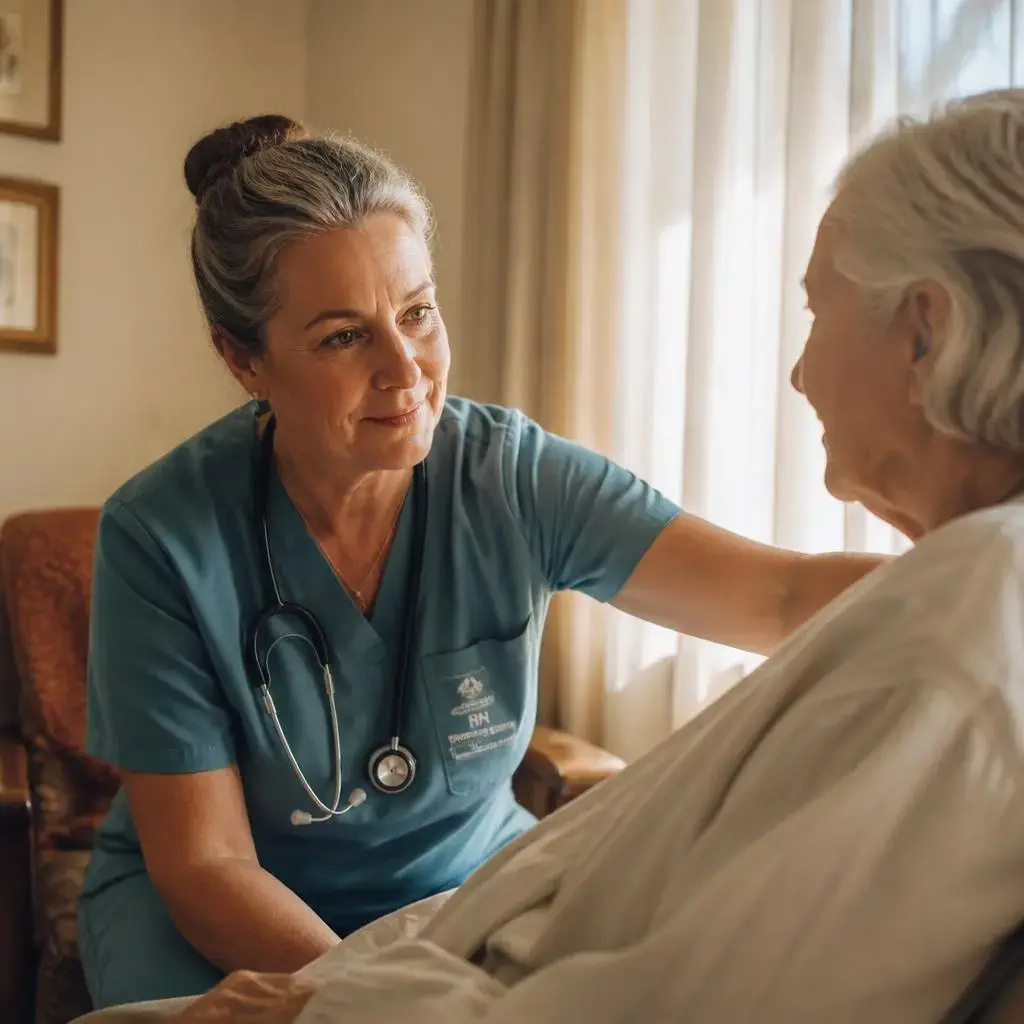
A Private in-home nurse is a qualified nurse that visits you at home and cares for you individually. They're Registered or Enrolled Nurses trained in a specific area of the field that enables them to make assessments and perform more advanced health care duties, including pain management.
It's a different job than that of an independent support worker. A support worker can assist with daily activities like preparing meals, and cleaning, as well as personal care, transport and support for daily living.
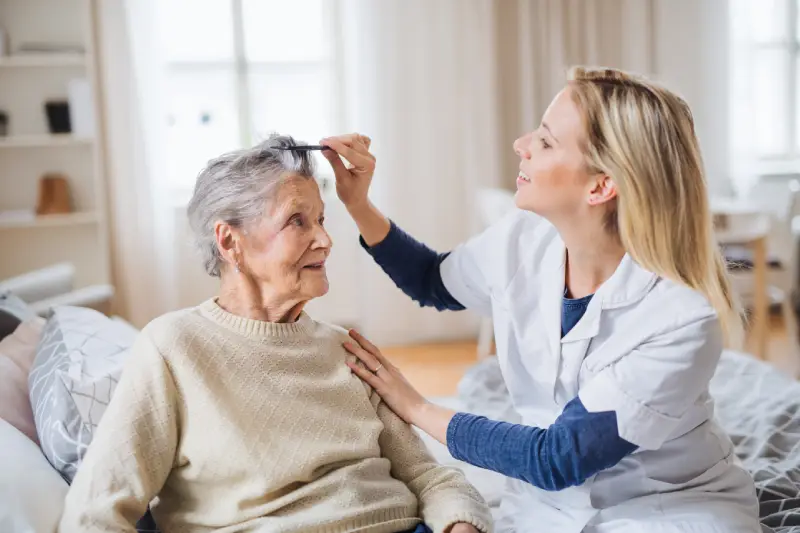
In certain instances you'll desire them both. A nurse can, for instance, after surgery keep track of wound management and medicine, while a support worker prepares the food, or assists in household chores or personal hygiene, like showering. Support can be requested either type or both, via Support Network as required.
Understanding Your Options for a Private Nurse at Home
Through the Support Network, you'll find various aids such as home care nursing. Whether it's the health care services that are appropriate for you or the health services that the nurse can offer depends on your health needs, health care plan, and the nurse's qualifications and experience.
Through Support Network you have access to nursing services including:
- Post-operative recovery care: Smooth transiting from hospital to home can make recovery feel more comfortable and secure. A nurse might also be available at your surgery or procedure to help with your care, including wound care, pain management, mobility, and the monitoring for changes.
- Medication management: Working on arrangements, planning and administering medication are confidently organised and administered safely and helps to increase the person's confidence in their medication treatment plan particularly after discharge from hospital and if more than one drug is being taken.
- Repeat wound care: maintaining wounds is a continuous process that can aid the healing process and minimise risk of complications. A Nurse who is qualified in the care of wounds can inspect wounds, clean and change dressings and watch for any signs of deterioration that might require further attention.
- Continence management: Support with managing bladder/bowel needs (private nursing) can assist a person to feel more comfortable, more dignified and more confident with their day to day activities related to the use of toilets, or caring for their bladder or bowel. Help with monitoring and practical aspects at home, can be done in conjunction with a nurse, who can assist with continence care.
- Tailored attendance: Regular monitoring can help to identify early changes and care to be taken at home. A nurse can take your blood pressure and temperature, and check your pulse, among other measurements, and let you know if anything needs to be further addressed.
- Catheter care: everyday life at home can seem easier when the needs of the catheter are comfortably managed. Regularly, a timely nurse can assist with maintaining the cleanliness of the catheter and provide comfort and monitoring, thus minimising the risk of irritation, leaks or any other complications.
- Breathing support: any support that is required in breathing can be more comfortable in the home. A nurse can engage in breathing support, help with devices and their monitoring.
- Pain management: getting more comfortable may make it easier to recover more easily, or control a health condition, daily. A nurse can play a role in a comprehensive care plan to relieve pain and maintain medications.
For Whom Is Private In-Home Nursing?
Private in-home nursing can help individuals with a myriad of health issues. May be appropriate for:
- Recover from surgery or procedure and require continuous clinical monitoring following surgery.
- People with chronic conditions: those who have a chronic condition, such as diabetes or high blood pressure.
- Hospital discharge support: hospital discharged people in need of support to transition from hospital level of care to increasing autonomy.
- Family caregiver support: those at home caring for an individual and requiring support from the family (respite), clinical support (back up) or professional support (information) on care issues.
How to Estimate In-Home Care Pricing
There's benefits in learning the factors that can influence private home nursing prices when you're contrasting the costs.
All nurses that Support Network books are independent professionals with the freedom to set their own rates. Having this set-up means you're better equipped to have choices on rate as you can look at indicative rates on the nurse profiles, discuss rates of the nurse directly and know what you'll pay before enlisting a nurse for a support session.
It is important to know that any specialist or clinical service such as wound care, catheter management, post-operative care and etc. may come at a higher cost if compared to general care, but it certainly comes with a certain clinical responsibility and certain skills.
Some opt to pay from their own pocket their private nursing home fees at home. For others, it may be possible to use Government Funding if they are eligible (for example, use NDIS funding or Support at Home aged care funding). You can also book private nursing care, without relying on the government, by paying for private care through Support Network.
When It Comes to Hiring a Private Nurse, What Should You Consider?
It's important to have an idea of the type of care required at home before deciding on a private nurse. Is it providing short term assistance following surgery or discharge from the hospital? Any health condition that is continued? Or is it clinical support while you take respite from caring for another person?
With that settled, here are some other things you may like to consider when choosing a private nurse:
- Australian nurses are expected to meet professional standards to ensure safe nursing care and are required to be AHPRA registered in order to be able to care for those that have nursing needs in Australia. All Support Network nurses need to be currently registered as a Registered Nurse or Enrolled Nurse by AHPRA for at least 12 months.
- Familiarity with the reference is an added reassurance in selecting the support. Nurses on Support Network are required to give Support Network 2 of their professional and/or character references.
- Relevant experience: having the proper experience is a great assurance that the nurse is the right one for you. Ask the nurse if he or she has experience with your needs such as wound care, and chronic conditions.
- Client reviews: When looking at reviews on the website it will give you a better idea of how the nurse communicates, is reliable, approaches care and whether this will suit you or not.
- A meet and greet can be a good way to discuss the goals of care, schedule, and expectations and get a better feel for what to expect before committing to providing ongoing care.
This feedback is stored on each nurse's profile on Support Network, and can assist you to compare them and see who you feel is a good fit.
How to Use Support Network to Find a Private Nurse?
Support Network is a service that you can use to support yourself privately, without a referral or a wait list. It also does not charge to sign up and search for certified nurse candidates. The Support Network platform ensures you greater choice and control over who supports you, what they support you with and when and how you are cared for.
The process of it works:
- Connect: post a job or search for local profiles, and filter to find the nurses who have the necessary skills, experience.
- Rate & Session: After finding a nurse that might be a good match for you, you can discuss and come to an agreement on rates and session time. Alternatively you can schedule a meet and greet prior to the booking so as to help you learn more about their method of support. Support Worker Insurance is free for all support sessions booked and invoiced via Support Network.
- Ongoing support: payments can be made by credit cards, direct debit or make payments through government funding (NDIS or Support at Home) if you're eligible for these types of funding.
Arrange Private Nursing Care at Home
A trained nurse can help provide care at home and make it easier to deal with recovery or a chronic health care problem. A nurse can provide you with clinical support, reassurance and practical help during what can be a difficult or sensitive time for you, or for the person who has physical and/or healthcare needs.
It's easy to use Support Network to arrange private in home nursing. Check nurse profiles with their qualifications, experience and Client Reviews and then confirm pricing with the nurse prior to beginning support. This means you'll have more control and transparency over the costs of care at your house, and can choose who provides the support.
Get enrolled now in Support Network online for free and get a qualified nurse.
Frequently Asked Questions
What is the cost of Private Nursing Care at home in Australia?
Private nursing services at home are priced due to the level of services and experience of the nurse, location and how many services are needed. Nurses can set their own rates using Support Network. You will be able to check their indicative rates and agree to the rate before making a booking.
What is the difference between a Private Nurse and a Support Worker?
Private nurse administers any clinical care including wound care, manages medications and monitors vital signs. Typically the duties of a support worker are to assist with everyday tasks including meal preparation, household chores, transport, companionship and personal care.
Is there a referral required to be able to have a nurse at home?
There is no requirement to take referral to hire private nurse through Support Network. Completely free sign up and browsing of nurses or posting of jobs and directly agree on rates, timing and services with the nurse.
Is aged care or NDIS funding available to pay for in-home nursing?
In-home nursing might be funded by Support at Home or through NDIS funding, depending on whether nursing services are recommended in your plan and whether they are in scope of funding for you. It is suggested that you speak to your provider and/or Coordinator for clarification on your circumstances. You can also self-fund private nursing care for yourself.