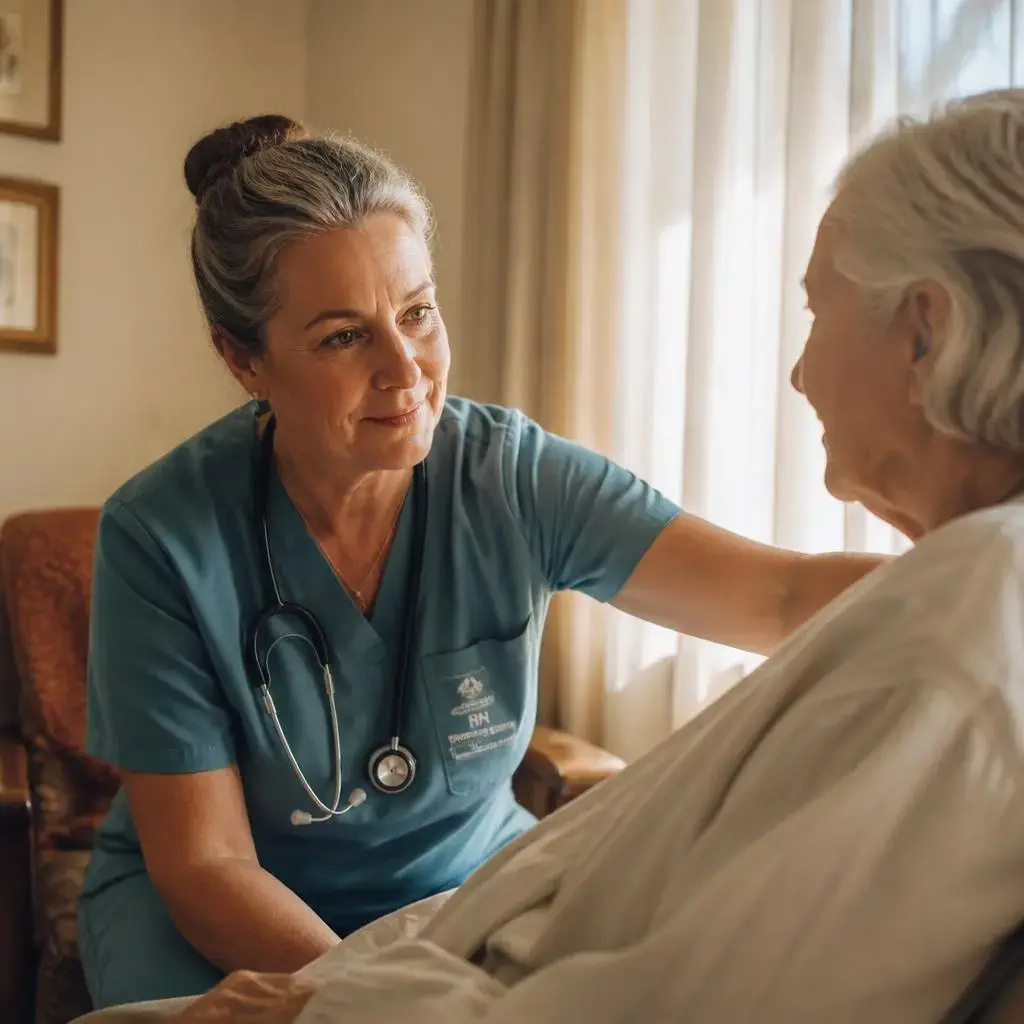
Private in-home nursing care is non-federally funded, and is billed at an hourly rate by the provider. How this rate translates will depend on the nurse's credentials, the nature of the care and when it is required, and the straightforward answer to ‘what does it cost’ is that it is a range, not a fixed figure.
This article concerns private home nursing: it is the arrangement and provision of in-home nursing services by the individual or their family. This is not the same as a state Hospital in the Home program, which requires that you be an admitted patient and that the hospital pay the bill. It's also very different if you are receiving NDIS or Support at Home funding, as they can provide some or all of these services, depending on your eligibility.
Key Takeaways
- Private in-home nursing care is organised and funded by you and/or your family, or via funding from the NDIS or aged care if you qualify.
- Support Network allows you to link to qualified, independent nurses who deliver nursing care in your own home, and you select them.
- Nursing available refers to wound care, catheter care, respiratory care, management of medications, continence support and post-hospital care.
- Cost depends on the experience and qualifications of the nurse, type of care, time and availability.
- Nurses work on their own and set their own rates, plus an additional client platform fee of 7.95%.
- You don't have to pay anything to register and begin looking for nurses in your area, even when there's an emergency need for last-minute help.
What Is Private Nursing Care at Home?
Private in-home nursing care is care provided by a qualified nurse in a person's own home. It is arranged and paid for directly, or funded by your NDIS or aged care funding (where available) instead of a state hospital program.
It's typically recommended when someone is returning home from the hospital after an illness, recovering from surgery or a procedure, dealing with a wound or chronic condition, or requires temporary assistance until they can stand up on their own again. It is also appropriate for families assisting an older person to safely recuperate at home following a hospital stay.
What Nursing Support Can I Get at Home?
There are several kinds of in-home nursing support, and it will cost you differently depending on the type of support. The care is simple in some cases, but more complex in others, which require specialist clinical practice and greater planning.
Nursing Support with Support Network:
- Wound care. Assessment of wounds and monitoring and changing the dressing to aid healing and minimise risk of infection or other complications.
- Continence evaluation and control. Assist with bladder and bowel management, care for comfort and dignity.
- Catheter care. Support in catheter hygiene, monitoring and care, which decreases the risk of catheter-related issues like infection.
- Vital signs monitoring. Performs checks like blood pressure and temperature so that the person and family are aware of changes to their health.
- Pre- and post-hospitalisation. Pre-hospital or post-hospital care to help ease the transition home.
- Respiratory care. Monitoring and support for breathing-related needs, in line with the person's care plan.
- Medication management. Help organising medications, following schedules and taking the right medication at the right time.
How Much Does Home Nursing Care Cost Through Support Network?
The prices depend on the type of nursing service and the skill necessary. On Support Network, nurses are self-employed professionals and charge their own fee.
The rate a nurse receives may be based on their experience and qualifications, as well as the type and frequency of care provided, the time of care (weekday, weekend, public holiday or overnight) and the availability of nurses in your area. Specialist care for the wound, catheter, respiratory and other post-discharge care tends to be more expensive than less complex care. There may also be a higher cost for weekend, overnight and public holiday support.
There are no set rates. The rate is agreed to and recorded in your service agreement with the nurse prior to the implementation of support.
After you sign a contract with a nurse, you will have to pay a platform fee of 7.95% as well. For example:
| Agreed nurse rate | Client platform fee (7.95%) | Total estimated client cost |
|---|---|---|
| $80 per hour | $6.36 | $86.36 per hour |
| $100 per hour | $7.95 | $107.95 per hour |
| $120 per hour | $9.54 | $129.54 per hour |
The above are examples only and not a fixed nursing price list. The actual cost depends on the nurse that you agree with.
You can consult a nurse's profile, let the nurse know your needs and schedule the length of your visit, review and agree to the cost, and finalise the cost prior to booking.
Why Arrange Private Nursing Care at Home Through Support Network?
When choosing nursing care, you want choices and assurance about who you are getting it from. Support Network will enable you to get a comparison of qualified nurses instead of being sent someone who is rostered.
It is quick to register and begin looking for qualified nurses in your area, which is helpful when care after hospital is short-term or time-sensitive. Through Support Network you can:
- Depending on your location, access a pool of independent nurses with experience in various medical settings.
- Check nurse profiles prior to connecting, looking at their experience, their credentials, their reviews, availability and indicative rates.
- Contact nurses directly to discuss needs and agreement prior to booking, rate, length of visit, frequency and timing.
- Nurses are qualified and verified before support is provided.
- Plan flexible support, whether it is one-off nursing support, short-term support after hospitalisation or ongoing support.
- Find last-minute help when care is required immediately following hospital.
Support Network Can Help You Feel More Confident About Home Care Costs
Home recovery after hospital, or recovery of a loved one at home, can bring with it concerns and questions, as well as new care requirements. The proper nursing care can make it easier to bounce back.
It is not difficult to find a qualified nurse. Connect with nurses in Support Network and browse nurse profiles to get a quote, to see if their rate is competitive, and to find the right nurse for you. Register for free and browse through qualified nurses and discover private in-home nursing assistance that suits you.
Frequently Asked Questions
What is the price of private home nursing care in Australia?
It depends on the nurse's skill-set, the level of care, where the home is, the duration of stay and if there is a need for support during the day, night, weekend or on a public holiday. Nurses can choose their own rates with Support Network and you agree with the nurse directly, and the client platform fee is an additional 7.95%.
What type of services are provided in the community to a person with a nursing need once they leave the hospital?
Support Network might be able to help you locate nurses for wound care, catheter care, continence care, medication support, respiratory support, vital signs monitoring and pre- or post-acute hospital support. What type of support you require will depend on your hospital discharge plan, your health needs and the qualifications of the nurse.
Does private health insurance pay for in-home nursing care?
Depending on your insurance company and policy, extras or general medical policy may cover home nursing assistance. Contact the insurance company directly to determine coverage, any limitations, and types of documentation needed.
Where can I find a skilled nurse in Support Network to come to the home for care?
Sign up and discover nursing assistance in your area, and check out independent nurse profiles. You'll be able to find out the experience, qualifications, services, availability and rates, and even message the nurses before booking in.