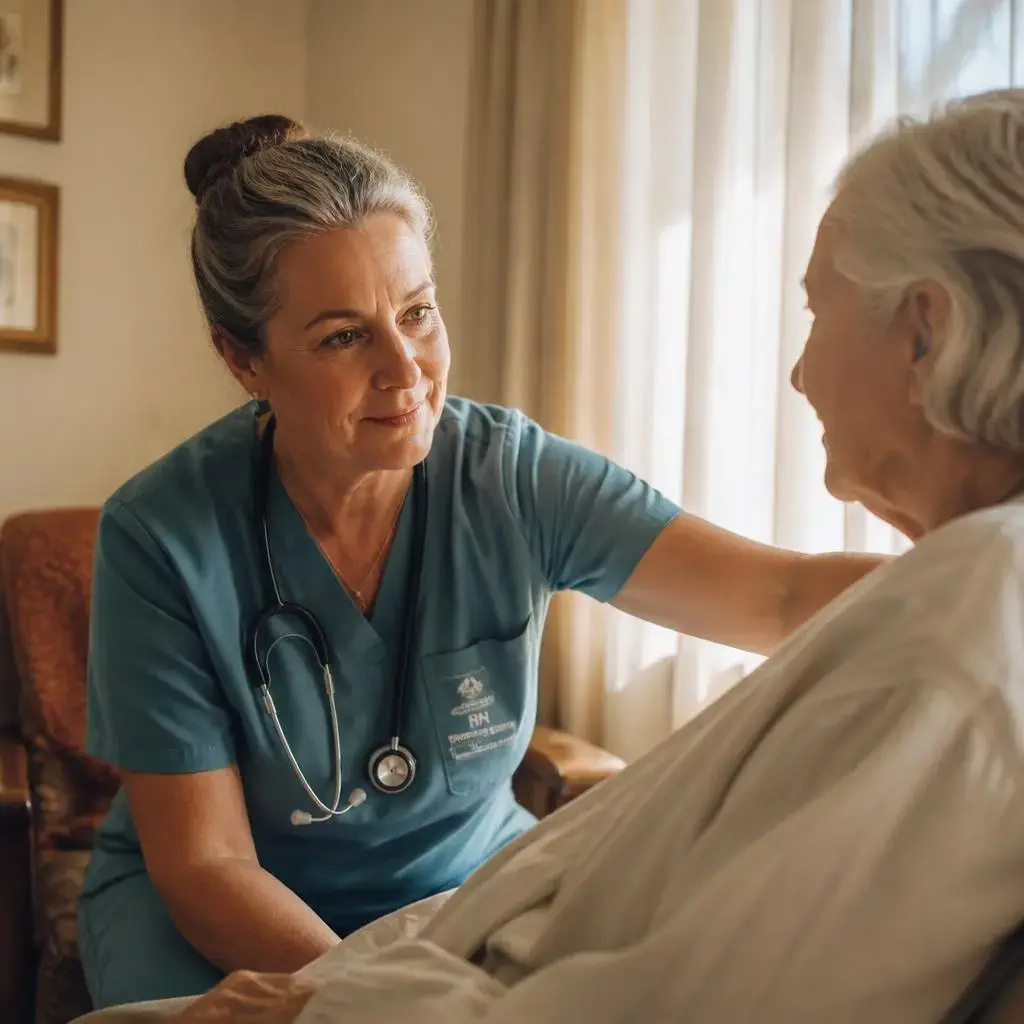
Key Takeaways
- Post hospital care at home is the care, support and services provided to an individual after they have been admitted to hospital, to help them recover safely and comfortably in the comfort of home. It may be suitable for someone who has recently had an operation, is seriously ill, or is transitioning from a higher level of care.
- Nursing, allied health, personal care, domestic assistance, transport and social support may all be provided as part of Hospital at home care.
- Self-funded Post-Hospital Care can be facilitated at home with no referral, waitlist or eligibility criteria with Support Network.
- Access verified, independent support workers and nurses via Support Network, view profiles, arrange rates and arrange bookings in one platform.
- Payment is available via credit card, direct debit or via NDIS or Support at Home (if eligible, and these payment categories are in your plan).
The beginning of recovery after getting out of the hospital can be one of the most delicate phases in the healing process. After hospitalisation for illness or surgery, you might not know how to manage at home, if you will need clinical support to recover at home, or how household chores such as cooking and cleaning will be accomplished.
It can be just as stressful when it's your turn to take a parent, partner or family member home after their time.
Since a patient can recover at home, the post-hospital worries can be relieved, consequently making the recovery feel that much more stable and straightforward. That's even more important if the discharge happens sooner than anticipated.
This article explains what it means to receive post hospital support at home, the types of support that can be arranged and how to organise self funded support when using Support Network. Note that hospital at home services (such as the NSW Hospital in the Home (HITH) program, and Out of Hospital Care Program) are hospital services organised by the state, and are different from self-funded support. These programs typically last a short period of time, have entry criteria and are typically facilitated by a hospital or health service provider.
How Do You Define Post-Hospital Care at Home?
Post-hospital care at home is the out-of-hospital support and services a person receives in their home while recovering from a hospital stay. It is a bridge between discharge and when a person is able to function again at a normal level of independence.
To some, that gap can be only a few days. Other people have been getting treatment for it for several weeks or even longer, depending on recovery requirements, the type of health problem and the person's independence at onset.
Self funding with a service such as Support Network allows you to dictate the activities, timing and providers of support in your home. You get access to independent support workers, registered nurses and allied health professionals, with no waitlist or eligibility requirements in place.
What Kinds of Support Are Offered Following Hospital?
At home post hospital care can combine a number of different types of support through Support Network. These can be used as a single session or as ongoing sessions, depending on what you need in recovery.
Ultimately it's a matter of necessity and choice when it comes to the right combination. You can book the registered nurse, allied health or independent support workers that are registered to deliver the services below in one place with Support Network.
Nursing Care
There are people who leave the hospital with clinical needs that continue in the home. That can include:
- Wound care
- Medication management
- Catheter care
- Vital signs monitoring
- Respiratory care
- Evaluation and rehab for bowel and/or bladder control function
- Pre and post acute hospital care.
All private nurses arranged through Support Network are registered nurses (RNs) with AHPRA. They are trained specially to evaluate a person's needs and to perform more complex aspects of health care. This type of assistance may be especially helpful for an individual transitioning from hospital-based clinical care.
Allied Health
Allied health professionals can play a role in assisting an individual to get back on the road to their rehabilitation, confidence and independence following their hospital stay. Best used when someone has to get back into a routine, move safely around their home or make adjustments after a sickness, surgery or injury.
Allied health support can consist of:
- Rehabilitation using physiotherapy to restore function and strength
- Occupational therapy to facilitate use of individual daily activity skills and home management
- Speech pathology for communication and swallowing
- Psychology for emotional wellbeing
All allied health professionals (AHP) booked in through Support Network are registered in the relevant professional bodies.
Personal Care
Hospitalisation can have a negative impact on a person's strength, balance, energy and confidence. Personal care support will provide the daily physical needs that they may require during their recovery, so the everyday care they receive remains safe, comfortable and supported.
Personal care could include assistance with:
- Showering
- Dressing and grooming
- Toileting
- Mobility
- Safely moving to a position or location that is safe
- Exercise assistance
- Medication assistance
Staff from Support Network need to have appropriate training or experience in the area of personal care support.
Domestic and Everyday Support
The focus of recovery is clinical care, but daily tasks are equally important. These can become a real challenge when a person is tired, sore, ill or trying out new activities. This is the type of assistance that enables a person to really rest and concentrate on improving his condition without running the home.
Domestic/everyday support that can involve:
- House cleaning
- Meal preparation
- Gardening
- Shopping
- Transport
- Personal admin
- Social support
Support Network books people as domestic and everyday support workers, who are not clinical and not required to meet clinical credentialisation requirements, but each support worker, regardless of their type of support, undergoes a comprehensive verification process. This means conducting a reference check and an NDIS Worker Screening Check (including an identity check).
Why Arrange Post-Hospital Care Through Support Network?
There are many benefits to be achieved in having support organised following hospitalisation in Support Network:
Choice
Access a large diverse network of verified, independent workers providing nursing, allied health, personal care and domestic support. This way you have the opportunity to create your team based on what you need and when you need it, or your loved one's.
This is an affirmation of the option for families who are considering an out of hospital care provider and/or a self-funded option. Instead of simply subscribing to a service or program that may or may not have capacity for free service, you connect directly with someone who provides support following hospitalisation, through Support Network. Explore workers' profiles, compare experience and select your worker on one platform.
Confidence
All Support Network workers undergo a verification process before they can provide services through Support Network. Support worker insurance for approved sessions is also provided on bookings and invoices for staff when performing jobs through Support Network, as is background checking.
The clinical workers (nurses etc.) will also need to be registered with the relevant body (AHPRA or profession). This is particularly important if planning wound care, medication assistance, rehabilitation or other hospital follow up care.
Ease
The use of a post-hospitalisation recovery period typically introduces new levels of care needs and routine. Support Network integrates worker profiles, bookings, scheduling and payments, eliminating some of the friction in setting up and monitoring support. Also there's no waitlist when self funded and no referral, and the Support Network team is there to help if needed.
How to Arrange Post-Hospital Care at Home Using Support Network?
Support Network is designed to help you find an independent support worker, nurse or allied health professional in your area. The right support can coalesce in no time at all when the time draws near for discharge, or when it happens, with no need for a referral, and no waitlist.
Arranging a hospital-at-home placement with Support Network is as follows:
Step 1: Connect With an Independent Support Worker, Nurse or Allied Health Professional
Advertise your job for the support needed and await responses, or use the Support Network search function to view local profiles of those offering support. There are more than 70 search filters, which allow you to filter by service type, qualifications, location, and more. See the worker's profile, which will include information like qualifications, client feedback, interests, and indicative rates, allowing you to compare workers before contacting them.
Step 2: Book a Session
If you're finding a good-fitting support worker, nurse or allied health professional, you can negotiate the specifics of the work with them directly, such as support price, session times, and what sort of support needs you have. It may also be helpful to arrange a meet first to understand their way of support and get some questions answered before booking in.
All bookings made via Support Network also have insurance for the support worker related to the support worker's actions during the provision of care.
Step 3: Manage Ongoing Support
From the moment support starts, you can book sessions, handle bookings and transact payments all in one location.
This may be paid out using government funding schemes such as Support at Home or the NDIS, where appropriate and where these are included in your plan. Invoices can be accessed from your Support Network account at your fingertips to facilitate monitoring of the support progression of you or a loved one.
Find the Right Post-Hospital Care at Home
It's a major event when a person returns home after being admitted to the hospital. Being back in familiar surroundings is great, but it's possible to be worried about recovering and how you're going to do it. Having the right support at home can help recovery to feel safer, more comfortable and easier to manage.
Support can be easily set up quickly without a referral, via Support Network when paying privately. A support worker can be booked today, or you can contact the Support Network team for extra help arranging post-hospital care at home.
Frequently Asked Questions
What is “post-hospital” homecare?
Post-hospital care at home is support that is set up once the person comes home from hospital in order to support them in becoming better. It can have a nursing, allied health, domestic, social care and transport component.
What does the difference between the Government provided Hospital in the Home or Out of Hospital Care Program and Private Out of Hospital Care at home mean?
There are hospitals or government programs for arranging some who provide out of hospital care. There are government supported programs with their own criteria that exist; these include Hospital in the Home (HITH) and Out of Hospital Care (OOHC) in NSW. That is not how Support Network functions; on Support Network you can discover and reserve individual support workers, without getting referred or being placed on a waitlist. The services may be funded privately or funded by the NDIS or ‘Support at Home’ funding, and you can select workers, services and session times that meet your needs.
How soon will I be able to get help at home following hospital discharge?
With Support Network, you don't need a referral and there's no waitlist if you self fund. You can post a Job Ad or search through local workers' profiles, with some last minute support available at as little as 4 hours' notice. This can be beneficial in case a hospital dismissal occurs prematurely.
Who are the different kinds of support helpers who can help in the home to recover?
The source of support could be AHPRA registered nurses, allied health professionals, personal care workers, or domestic and everyday support workers, depending on your needs or those of the person you care for. Which combination is correct will be determined by the needs of the person's recovery, discharge instructions and everyday lifestyle.