Key Takeaways
- Properly addressed questions to the hospital care team before patients leave the hospital can help patients be clearer on medication, wound care, mobility and follow-up appointments.
- Preparing the home prior to discharge and arranging for support to be available after the hospitalisation can help the first few days and weeks after discharge be more relaxing and manageable.
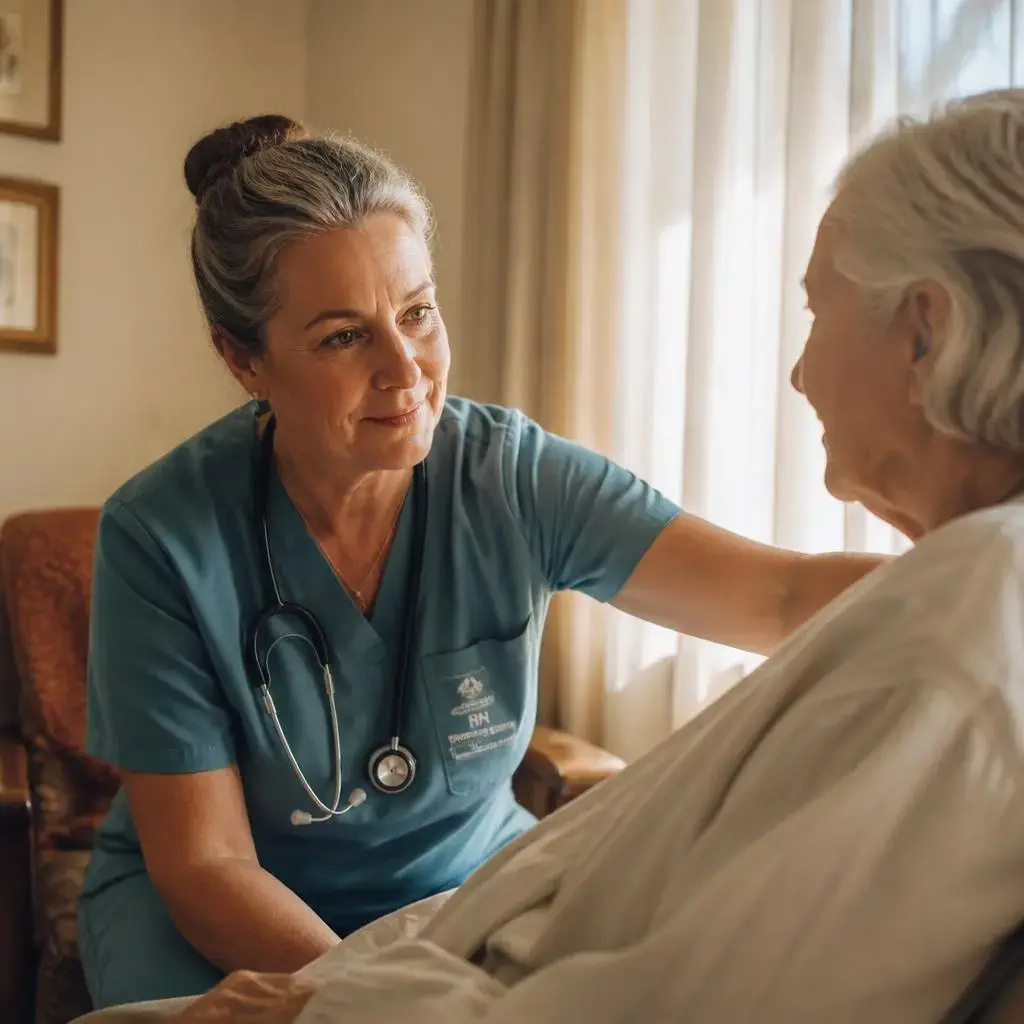
- Hospital care at home services includes nursing, personal care, allied health, domestic support, and transport, as well as help with daily activities.
- No referral or waitlist is required to co-ordinate private post hospital services through Support Network.
- The payment options available via Support Network include credit card, direct debit and eligible government funding.
Both leaving the hospital with an illness, injury or surgery and supporting someone you love to go home can be a great relief. It can also be laden with stress, particularly in the case of new medicines, follow up visits, mobility changes or care instructions.
This post hospital care checklist aims to help you be better prepared before you depart from hospital, and feel supported as you go home. It's about coordinated in-home support, such as provided in a program like Support Network, which is organised privately. The checklist covers:
- What to expect before you leave hospital
- Home preparation checklist
- Post hospital care that you can arrange at home
- How to get started with Support Network.
To note: This is not the Hospital in the Home (HITH) Program or Out of Hospital Care Program for the government. Such programmes are typically brief, involve a set of criteria and often happen in a health service setting or hospital.
Before Leaving Hospital: What Questions Should You Ask the Care Team?
It is useful to have an idea of what has been arranged before discharge day, before you reach the stage of leaving the hospital. You can write down a couple of questions for the hospital staff who are still there to help you out, so you can know what you need to do next.
Some questions that could be posed are:
- What wound care is needed? How often should the dressings be changed? Who should do this?
- What medicines do I need to take at home? Have any medicines changed or stopped? At what time should each of these be administered?
- What follow-up appointments will be required? Who are they with? At what time or times should they be?
- Will there be a discharge summary or care plan sent to my GP?
- Can I get a copy of the care instructions to follow at home?
- Are there any movement, lifting, driving or activity restrictions?
- Do I need any equipment at home, like a walking frame, shower chair or raised toilet seat?
- Is a referral to a community health service or home-visiting GP suitable?
- Who do I call if my symptoms change or I'm unsure about the recovery plan?
Hospital social workers or discharge planners may also be able to help arrange some supports prior to leaving the hospital. In addition to this, patients can make their own arrangements for post-hospital care, or their parent, partner or family member can do this.
How Do You Get Home Ready for a Return From Hospital?
Making the home ready for discharge can make a massive difference in these days of transition afterwards. It can help eliminate further unnecessary stress and allow people to get their lives more manageable as they recover.
Use this checklist as a guide for yourself or for the home of the person you care for. Where this is not possible and there is no help available to complete these tasks before you are discharged, it may be worthwhile to make these arrangements with a practical support worker who is not a member of the healthcare team.
Home Preparation Checklist
- Clear pathways. Emphasise the most trafficked areas like the bedroom, bathroom, kitchen and living room.
- Remove trip hazards. Things like loose rugs, cords or clutter.
- Check the bathroom to see if it is safe. Consider installing grab rails, or a non-slip mat or shower chair.
- Look over the bedroom to see if it is accessible. Are the necessities like water, phone charger, medicines and glasses within reach?
- Stock the kitchen. This makes things easy to prepare, or try good “first few days back” options of nutritious pre-packed meals.
- Have prescriptions filled ahead of time. Get your needed medicine ready if possible, before arriving at home.
- Arrange transport home. Confirm the trip home from hospital to see if assistance is required getting in and out of the car.
- Make plans for the first few days. Consider who will be available during the first 24 to 48 hours if additional reassurance or practical help is required.
When more major home modifications are needed (e.g., addition of grab rails, access ramp), an occupational therapist can evaluate your home for home safety. Support Network is a service that allows you to connect with a qualified occupational therapist who can assist you in identifying hazards, suggesting equipment options and making suggestions for environmental modifications to facilitate safe functioning of everyday activities.
What Post-Hospital Support Can You Arrange at Home?
Making arrangements for post-hospital care can ease some of the concerns about recovery in the comfort of your own home. Freedom from a waiting list for services and a simple referral process can be extended quickly via a support system such as Support Network. There is no fee to get access, and you select which form of support is suitable for you, your daily living and budget.
Some of the post hospital care options you can set up with Support Network:
Nursing Care
This care may be suitable for those who are transitioning from hospital level of care to clinical supervision at home. There are several ways that nursing support might be provided, such as:
- Wound care
- Catheter care
- Medication management
- Vital signs monitoring
- Respiratory support
Personal Care
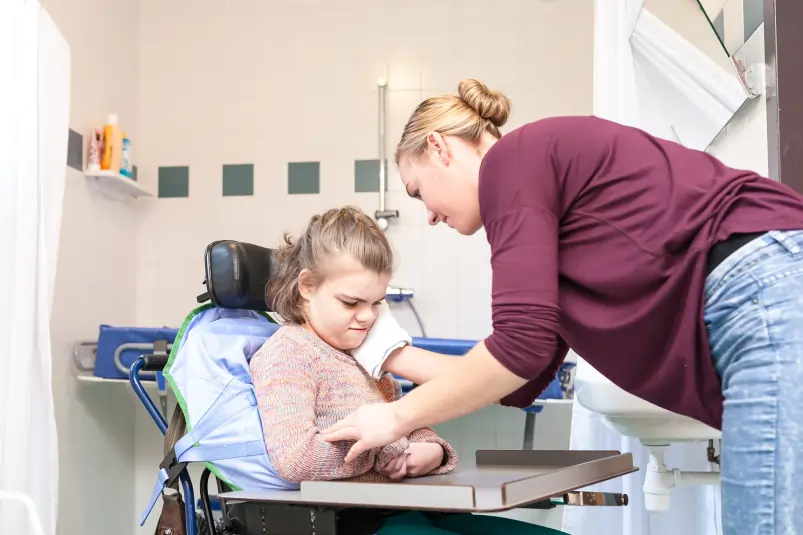
Personal care includes assistance with day to day activities. Home care types like this might benefit you when your strength, balance, movement or confidence is different after an operation, illness, injury or a stay in hospital. It can ease your way back into your regular home routine.
Personal care support may involve assistance with:
- Showering
- Dressing
- Toileting
- Grooming
- Eating and drinking
- Moving safely around the home.
Allied Health
There's allied health support available to help you on your path to rehabilitation, recovery and confidence in your home. It is particularly relevant following surgery, after a fall, following an injury or following a hospital stay which impacts on movement, daily tasks or independence.
There are various allied health supports that can be given:
- Physiotherapy to restore strength, movement and mobility
- Occupational therapy focusing on home safety and suggesting practical changes.
Domestic and Everyday Support
It is more difficult to recover the more tasks that pile up in your routine. This type of support can allow you to truly relax rather than being worried about food, the house, or travelling.
Some forms of domestic and/or everyday support can be:
- Housecleaning
- Laundry
- Meal preparation
- Grocery shopping
- Gardening
- Transport to follow-up appointments.
How Do You Get Started With Booking Support on Support Network?
There is no referral or waitlist required to begin private care arrangement with Support Network, post-hospitalisation. You can book support before you leave the hospital, either for one time, for short-term recovery, or to help you stay well afterwards at home. Here are a few tips on how to begin:
Step 1: Connect With a Support Worker
There are 2 ways of finding an independent support worker using Support Network.
Create a free Support Network account and post a job ad for post-hospital care. It helps to include useful information in your post, including:
- Discharge timing
- Mobility
- Personal care
- Transport needs
- Nursing instructions
- Whether support is short term or ongoing.
Or, search locally for profiles of support workers directly. Use search filters to find the right support worker, sorting by:
- Service type
- Location
- Qualifications
- Interests
- Other details that are relevant to your recovery.
Step 2: Book a Session
After identifying a suitable person to work with, details of the job can be discussed and agreed upon, such as rates and the length of support session. Independent support workers can determine their own price, which will depend on factors such as experience, qualifications and the nature of the support service. Support Network has a lot of independent support workers that will also offer a free meet and greet prior to a booking. This can be especially helpful if coming home from the hospital, since trust, communication and fit can be important on the first day home.
All sessions booked via Support Network will also have insurance in place for the actions of the independent support worker whilst delivering support.
Step 3: Pay for Support
Post-hospital care can be funded using an eligible government funding plan, for example NDIS funding or Support at Home funding, or by credit card or direct bank deduction. You'll always have access to invoices in your Support Network account, and you can follow up on bookings and support sessions in the same account. This can help to make support management a little easier, for you or the person you care for.
Post-Hospital Care Can Help Make Coming Home Easier
Returning to your home after hospital can be a challenge as well as a period of relief. You might find relief to be back, and may still be feeling uncomfortable about how you will manage day-to-day or how you will move forward with your recovery.
Ensuring access to appropriate post-hospital care at home can improve the kind of support, safety and comfort available during recovery.
This checklist should be used as a guide for your pre-hospital preparation. It may support you in asking the right questions and considering what support might be helpful following discharge.
Sign up on Support Network and get local verified independent support workers with last minute support to look after you, in as little time as 4 hours.
Get started on the Support Network today and make home care after the hospital available to you.
Frequently Asked Questions
What help am I going to need when I leave the hospital and go home?
Hospitals at home may consist of nursing or personal care services, allied health services, domestic help services, meal preparation and transport. It depends on the type of instructions given during hospital discharge, mobility, health requirements and home setting.
Do I need a referral to receive post-hospital care at home?
People can access home care after hospitalisation with Support Network without a referral. You can sign up for a free account, view local profiles for support workers and book scheduled support services once you are ready. Last minute jobs are available for urgent needs, and bookings are available in as little as 4 hours.
What is the difference between the Government's Out of Hospital Care Program and private post-hospital care provided by Support Network?
Government out-of-hospital care programs are typically set up through the hospital or public health care system and may have criteria for who is eligible, a referral requirement, or a limit on availability of the program. Private post-hospital care with Support Network is arranged by you, or your representative. You choose what support you require, access regionally based independent support workers and book care, with no referral or waitlist.